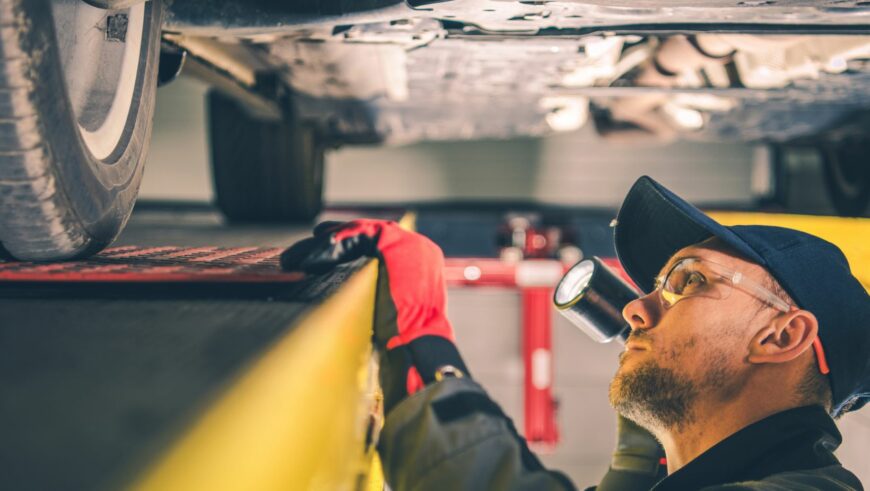
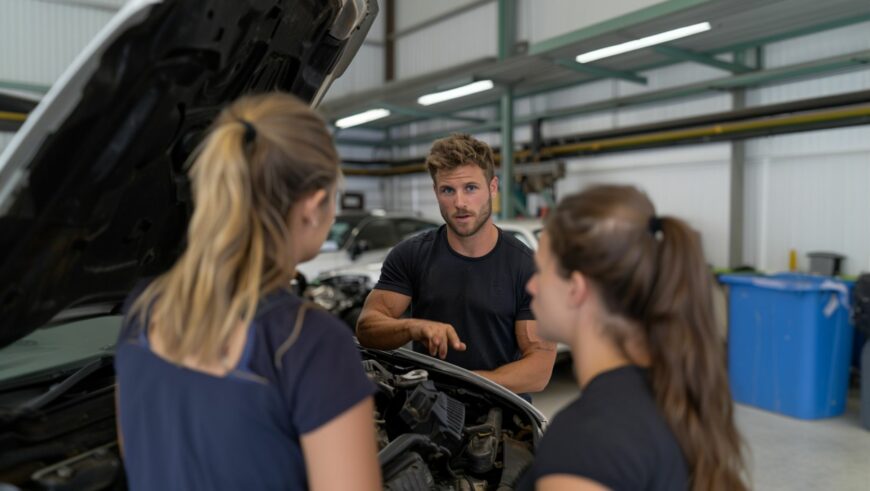
Besides checking the weather, it’s important to have O’Neill Auto & Transmission Service check the condition of the following vehicle systems before heading out on the road:
Ignition
Brakes
Wiring
Hoses and fan belts
Spark plugs
Air, fuel and emissions filters, and PCV valve
Distributor
Battery
Tire wear and air pressure
Antifreeze level and freeze line
Don’t Leave Home Without These
In an emergency situation, in addition to a full tank of gas and fresh antifreeze, the National Safety Council recommends having these with you at all times:
Properly inflated spare tire, wheel wrench, and tripod jack
Shovel
Jumper cables
Tow and tire chains
Bag of salt or cat litter for better tire traction or to melt snow
Toolkit
Flashlight and extra batteries
Reflective triangles or flares
Compass
First aid kit
Windshield cleaner
Ice scraper and snow brush
Matches in a waterproof container
Scissors and string or cord
Nonperishable, high-energy foods like unsalted, canned nuts, dried fruits, and hard candy
Blankets, mittens, socks, and hats
Winter road trips – even short ones – are a great way to celebrate with family and friends. Being prepared can ensure a safe and happy time is had by all.
Worried that your car might be having transmission issues? Recognizing the signs of transmission problems early can save you costly repairs and ensure your vehicle’s safety. In this article, we’ll go over the top warning signs you should look out for to keep your transmission in good shape.
Finding reliable local automotive repair services can be challenging, especially when faced with urgent vehicle needs. Did you know that 35% of vehicle owners feel uncertain about the customer service quality in their local car repair shops? This article will guide you through understanding various automotive repair services, comparing pricing, and highlighting the significance of safety and quality.