





Transmission Rebuild vs Transmission Repair: What’s Best for Your Car?

transmission rebuild vs transmission repair

Insights:

Learn the key differences between a transmission rebuild and a transmission repair, including costs, symptoms, and how Michigan drivers can choose the right option.

Overview:

Transmission Rebuild vs Transmission Repair: What’s Best for Your Car?

Read Time:

Date:

Why Choosing Between a Transmission Rebuild and Repair Matters

When your transmission starts acting up, the words “repair” and “rebuild” can feel overwhelming—especially when you don’t know which option is right for your vehicle. For Michigan drivers, the decision can be even more urgent. Between cold-weather starts, salt exposure, towing, and heavy commuting, automatic transmissions in the Midwest face more wear than in many other states.

This guide breaks down the difference between a transmission rebuild vs repair, what each option includes, cost considerations, and how to make the best decision for your situation.

transmission rebuild vs transmission repair. Driver researching Signs of Transmission Failure and repair options online.

What a Transmission Repair Actually Includes

A transmission repair focuses on fixing only the specific components that are damaged or malfunctioning. Instead of opening the entire transmission, technicians isolate external or limited internal issues.

Common Repairs Include:

  • Replacing faulty solenoids

  • Fixing minor leaks

  • Repairing or replacing the valve body

  • Addressing sensor or electronic issues

  • Replacing external seals or gaskets

A repair is typically the right choice when the issue is small, localized, and caught early.

When a Repair Makes Sense

Repairs are best when:

  • The transmission has minimal wear

  • The problem is electrical or sensor-related

  • Fluid contamination has NOT occurred

  • The vehicle shifts normally aside from one or two symptoms

  • The issue is external (such as a cooler line or seal)

Repairs are usually less expensive and faster than rebuilds—making them appealing when the damage is contained.

What a Full Transmission Rebuild Involves

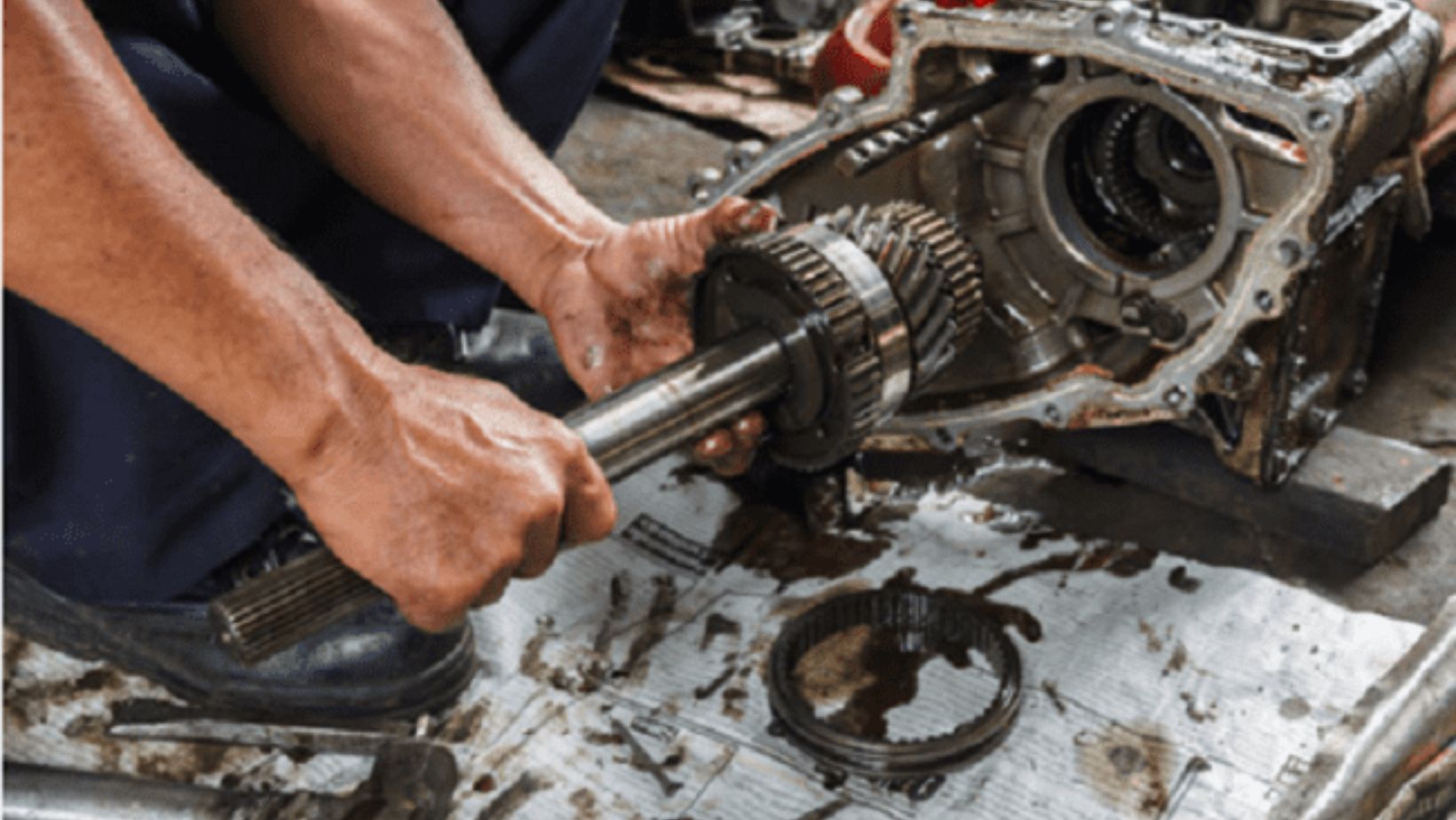
A rebuild is a complete restoration of the transmission’s internal components. The unit is removed from the vehicle, fully disassembled, cleaned, inspected, and rebuilt using new or remanufactured parts.

What Happens During a Rebuild

A proper rebuild includes:

  • Removing the transmission from the vehicle

  • Disassembling the entire unit

  • Cleaning all internal parts

  • Identifying worn or damaged components

  • Replacing clutches, seals, gaskets, and other key parts

  • Reassembling and refilling with fresh transmission fluid

This process restores the transmission to a like-new or better-than-new condition, depending on parts used.

When a Rebuild Is the Smarter Choice

A rebuild is recommended when:

  • Multiple components are worn or damaged

  • The transmission has high mileage

  • There is significant internal contamination

  • The transmission slips frequently

  • Harsh shifting is ongoing

  • The problem returns after small repairs

  • The transmission overheated

For vehicles meant to last several more years, rebuilding often provides the strongest long-term value.

Cost Comparison: Rebuild vs Repair in Michigan

Understanding the price differences helps drivers make an informed decision. Michigan costs vary depending on parts, labor, vehicle type, and damage severity.

transmission rebuild vs transmission repair. Mechanic inspecting engine components after noticing Signs of Transmission Failure.

Typical Michigan Prices

Typical Michigan Prices

  • Transmission Repair: $250–$900
    (Good for minor issues caught early)

  • Transmission Rebuild: $2,800–$5,500
    (Necessary for major internal wear or contamination)

These ranges reflect Michigan’s average auto repair pricing and may vary based on shop experience or parts used.

For more information on understanding auto repair estimates, you can reference the Federal Trade Commission’s auto repair guide.

Rebuild vs Repair: How to Know Which One You Need

Since symptoms often overlap, it can be tricky to determine whether a rebuild or repair is appropriate. These guidelines can help Michigan drivers identify their best option.

Signs You Likely Need a Repair

  • One or two gears shift harshly

  • Minor leaks without slipping

  • Electrical codes point to sensors or solenoids

  • The transmission fluid is still clean and red

  • Symptoms appeared suddenly, not gradually

These situations are common in early-stage failures or mild component issues.

Signs You Likely Need a Rebuild

  • Slipping in multiple gears

  • Delayed engagement into Drive or Reverse

  • Brown, burnt, or contaminated fluid

  • Repeated problems even after smaller repairs

  • Shuddering during acceleration

  • Overheating episodes

  • High mileage (120,000+ miles)

If several of these symptoms occur together, a rebuild may be the more cost-effective long-term solution.

Pros and Cons of a Repair vs Rebuild

Choosing the right path depends on your vehicle’s condition and how long you plan to keep it.

Pros of a Transmission Repair

  • Lower upfront cost

  • Faster turnaround time

  • Good for small or external issues

  • Can extend the life of a newer or mid-mileage transmission

Cons of a Transmission Repair

  • Doesn’t address underlying wear

  • May not prevent future failures

  • Repairs can stack up over time

Pros of a Transmission Rebuild

  • Restores transmission performance

  • Replaces all worn internal components

  • Often includes stronger warranties

  • Prevents repeat failures

  • Better long-term reliability

Cons of a Transmission Rebuild

  • Higher upfront cost

  • Longer repair time

  • Requires full removal of the transmission

What Michigan Drivers Should Consider Before Deciding

transmission rebuild vs transmission repair. Driver reviewing repair options with a technician after Signs of Transmission Failure. Title:

Climate, vehicle age, and driving habits play a major role in choosing between a rebuild and a repair.

Vehicle Age and Mileage
If your vehicle has high mileage or has endured harsh winters, internal wear is more likely. A rebuild may prevent multiple future repairs.

How Long You Plan to Keep the Vehicle
If you plan to keep the vehicle three or more years, a rebuild often offers better long-term value. If you intend to sell soon, minor repairs may be more practical.

Transmission Condition and Fluid Health

Clean fluid + localized symptoms = repair
Burnt or contaminated fluid + multiple symptoms = rebuild

Cost vs Value

The cheapest option upfront is not always the least expensive over time. A vehicle that needs repeated repairs may cost more than a single rebuild.

How to Make the Best Decision Moving Forward

Determining the right choice comes down to understanding the severity of the issue, getting a professional diagnostic, and weighing long-term goals for the vehicle.

Michigan drivers benefit most from:

  • Accurate diagnostics

  • Honest estimate breakdowns

  • Understanding what each repair includes

  • Comparing repair vs rebuild costs over time

  • Choosing experienced transmission specialists

Taking these steps ensures you invest in the option that provides the best reliability and value for your situation.

Table of Contents

Additional Resources

Faqs

Absolutely. Regularly replacing the transmission filter is essential to remove particles, dust, and other debris that could harm your transmission.

Common indicators include difficulty shifting gears, unusual noises during gear changes, and a noticeable difference in driving performance. Regular inspections can also help identify when a filter change is needed.

Symptoms of a need for a transmission filter change include sluggish shifts, gear slipping, and dirty transmission fluid. If you notice any of these signs, it’s time to visit our shop.