


GM 6L80 Transmission Problems: Symptoms, Causes & Fixes

GM 6L80 transmission problems mechanic inspecting transmission under vehicle

Insights:

GM 6L80 transmission problems can lead to serious drivability issues if ignored. Many drivers experience shifting delays, slipping, or overheating. Understanding GM 6L80 transmission problems early can help prevent major repairs. This guide breaks down GM 6L80 transmission problems, their causes, and what you can do to fix them.

Overview:

GM 6L80 Transmission Problems: Symptoms, Causes & Fixes

Read Time:

Date:

Why the GM 6L80 Transmission Needs Special Attention

The GM 6L80 is one of the most widely used automatic transmissions in the Midwest, found in popular GM trucks and SUVs such as the Chevy Silverado, GMC Sierra, Tahoe, Yukon, and more. Known for its strength and versatility, it is designed to handle towing, hauling, and daily driving. However, like any high-mileage transmission, it has known weaknesses.

Michigan drivers, in particular, experience heavy wear on the 6L80 due to cold winters, towing needs, road salt, and long-distance commuting. Understanding common GM 6L80 transmission problems can help you catch issues early and avoid costly repairs.

Most Common Symptoms of GM 6L80 Transmission Problems

While the 6L80 is durable, it often shows early warning signs when internal components begin wearing out. Addressing symptoms early is key to preventing major failures.

Harsh or Erratic Shifting (Especially 1–2 or 2–3)

One of the earliest symptoms is harsh or abrupt shifting in the lower gears. Drivers may feel:

  • A “bang” or thud when shifting
  • Rough transitions between gears
  • Delayed engagement when accelerating

Michigan’s cold weather can exaggerate these symptoms, especially in the morning.

Shuddering or Vibration While Accelerating

A common complaint, often linked to torque converter issues, is a shuddering sensation during low-speed acceleration (typically 25–45 mph). This can feel like:

  • Vibrations through the floor
  • A rumble strip effect
  • Mild jerking

This is one of the most recognizable 6L80 slip symptoms.

Slipping Between Gears

Slipping occurs when the engine revs up, but the vehicle doesn’t accelerate accordingly. In early stages, slipping may happen only under load or when the transmission is cold.

Delayed Gear Engagement

If the vehicle hesitates before moving after shifting into Drive or Reverse, the transmission may be struggling to build internal pressure. This is a sign of wear in the valve body or pump.

Overheating or Transmission Temperature Alerts

Michigan’s summer towing season often exposes overheating problems. When fluid breaks down or cooler lines corrode, the 6L80 may run hot and trigger dashboard alerts.

Whining, Buzzing, or Humming Noises

Unusual noises during shifting or acceleration can signal internal wear, fluid starvation, or torque converter failure.

To learn more about automotive warning signs and vehicle safety, the National Highway Traffic Safety Administration provides useful information: https://www.nhtsa.gov/

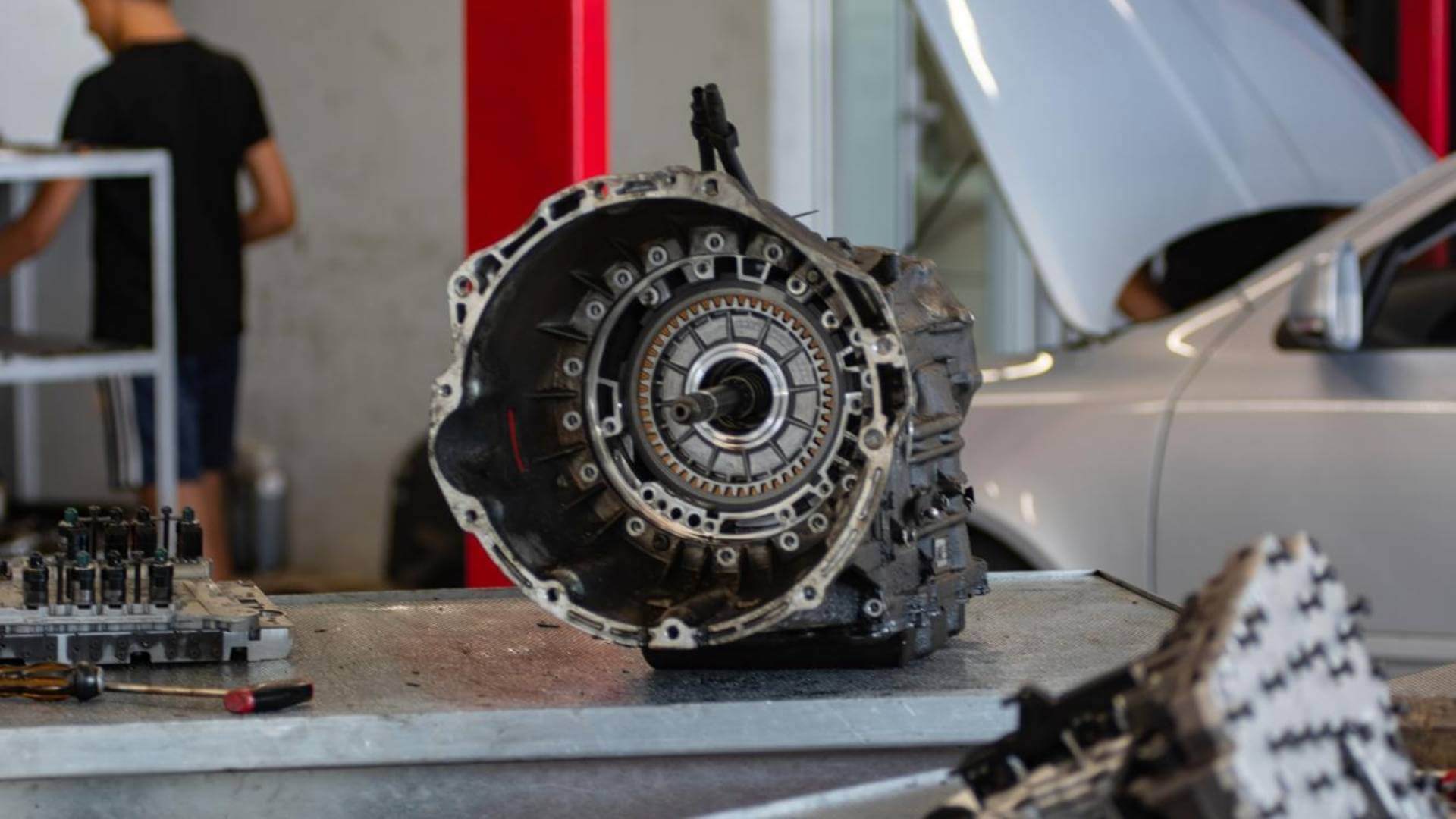
GM 6L80 transmission problems internal transmission parts on workbench

What Causes GM 6L80 Transmission Problems?

The 6L80 has several known weak points that tend to wear out faster under certain conditions.

Torque Converter Clutch (TCC) Wear

One of the most common 6L80 issues involves torque converter clutch failure. If the TCC begins to deteriorate, the driver may feel shuddering, slipping, or vibration under light load. Over time, worn clutch material can contaminate fluid and cause internal damage.

Valve Body and Pressure Regulator Wear

The 6L80’s valve body contains multiple electronic solenoids and hydraulic circuits. Wear or debris in this system can cause harsh shifts, slipping, or delayed engagement. Cold-weather thickened fluid often makes these issues more noticeable in Michigan.

Worn Clutch Packs and Internal Components

Heavy towing, long-distance hauling, and frequent stop-and-go traffic accelerate clutch wear. Once clutch packs degrade, slipping and harsh shifting follow.

Fluid Breakdown or Contamination

Transmission fluid plays a critical role in the 6L80’s operation. When fluid ages, overheats, or becomes contaminated by clutch material, pressure drops and internal wear increases. Drivers who delay fluid service are more likely to experience major failures.

Cooler Line Corrosion (Common in Michigan)

Road salt accelerates corrosion on steel cooler lines—one of the most common winter-related transmission issues in Michigan. A leak can quickly lead to low fluid and internal overheating.

How to Diagnose 6L80 Transmission Problems

Accurate diagnostics are essential, especially because many symptoms overlap with engine or electronic issues. A proper diagnostic evaluation typically includes:
  • Electronic scan for transmission codes
  • Inspection of fluid level and condition
  • Test drive to evaluate shifting behavior
  • Review of transmission temperature history
  • Visual inspection of cooler lines, connectors, and pan

Skipping diagnostics often leads to misdiagnosis or unnecessary repairs.

Repair Options for the GM 6L80 Transmission

The right repair depends on the condition of the transmission and the severity of symptoms.

Software Updates and Adaptation Resets

In some cases, hard shifting or early symptoms may be addressed with updated programming. GM has released software updates for certain shifting concerns.

Torque Converter Replacement

If shuddering or vibration is present, replacing the torque converter is often necessary. This service is common for trucks and SUVs at mid-to-high mileage.

Valve Body Repair or Replacement

A worn valve body can cause harsh shifts, delayed engagement, or slipping. Replacing or repairing it can restore proper shifting behavior.

Full Transmission Rebuild

A rebuild may be required when:

  • The fluid is contaminated
  • Multiple symptoms are present
  • Internal clutches are worn
  • The transmission has high mileage

A rebuild may be required when:

Rebuild pricing varies, but 6L80 rebuild cost in Michigan typically ranges from $3,000 to $5,500+ depending on parts and labor.

How Michigan Drivers Can Prevent 6L80 Transmission Problems

Prevention is the most cost-effective strategy for extending the life of a 6L80.

Regular Fluid and Filter Services

Clean fluid is critical for the 6L80. Fluid breakdown is one of the leading causes of failure. Michigan drivers should follow recommended intervals—and consider shorter intervals for towing or winter driving.

Inspect Cooler Lines Annually

Corrosion is a major issue in the Midwest. Checking cooler lines yearly helps prevent sudden leaks that can cause overheating and internal damage.

Allow a Warm-Up Period in Cold Weather

1–3 minutes of idle time helps transmission fluid reach a more effective operating viscosity before driving, especially on sub-zero mornings.

Avoid Excessive Towing in Extreme Heat or Cold

Heavy loads in harsh weather strain the 6L80. Drivers should watch for temperature warnings and avoid pushing the transmission beyond safe limits.

For general cold-weather driving recommendations, Michigan’s winter safety page offers valuable insights: https://www.michigan.gov/msp/divisions/ohsp/winter-driving

When to Seek Professional Help

If you notice slipping, shuddering, harsh shifting, or delayed engagement, do not wait. These symptoms rarely resolve on their own and usually indicate early-stage internal wear.

Prompt diagnostics can prevent:

  • Torque converter failure
  • Clutch pack damage
  • Overheating
  • Full rebuilds
  • Long-term drivability issues

Addressing symptoms early often leads to lower repair costs and better reliability.

Table of Contents

Additional Resources