


CVT Transmission Failure in Honda & Toyota: What Owners Need to Know

CVT transmission problems Honda Toyota mechanic inspecting transmission under vehicle

Insights:

CVT transmission problems Honda Toyota owners experience can lead to serious performance issues if ignored. Many drivers notice slipping, hesitation, or unusual noises early on. Understanding CVT transmission problems Honda Toyota vehicles face can help prevent complete failure. This guide breaks down CVT transmission problems Honda Toyota drivers should watch for and how to fix them.

Overview:

CVT Transmission Failure in Honda & Toyota: What Owners Need to Know

Read Time:

Date:

Why Honda and Toyota CVTs Need Special Attention in Michigan

Many Honda and Toyota models come equipped with CVT (Continuously Variable Transmission) systems that are designed for efficiency, smooth acceleration, and improved fuel economy. While CVTs are reliable for many drivers, they have unique failure patterns—especially in regions like Michigan where freezing temperatures, long commutes, and stop-and-go traffic place extra stress on the system.

Understanding common CVT transmission problems in Honda and Toyota vehicles can help you spot issues early, avoid costly failures, and improve long-term reliability.

What Makes CVTs Different From Regular Automatic Transmissions

A CVT doesn’t shift gears the way a traditional automatic does. Instead of gear sets, it uses a belt-and-pulley system that adjusts seamlessly to keep the engine in the ideal power range.

This design delivers efficiency—but also means that when something wears out, the failure symptoms can be very different from traditional transmissions.

Key Differences in CVT Operation

  • No distinct gear shifts—RPM rises smoothly
  • Heavy reliance on correct fluid type
  • Greater sensitivity to heat and pressure
  • More complicated internal components
  • Often more expensive to repair or replace

Because CVTs must maintain constant tension and fluid pressure, even small issues can create noticeable symptoms.

Most Common CVT Transmission Failure Symptoms

Honda and Toyota owners often notice specific warning signs when their CVT starts to wear out or fail.

RPM Flare Without Speed Increase

One of the most common symptoms is rising RPMs without matching acceleration. This can make the vehicle feel weak, sluggish, or unresponsive—especially on highways or when passing.

Shuddering or “Juddering” at Low Speeds

A shuddering sensation when accelerating from a stop is one of the best-known CVT failure symptoms. It often feels like driving over a rough patch of road and can indicate belt wear or pressure issues.

Whining or Draining Noises From the Transmission

CVTs operate quietly when healthy. High-pitched whining, humming, or droning sounds often point to internal wear, fluid breakdown, or bearing issues.

Overheating and Warning Lights

CVTs can overheat quickly during long trips, summer driving, heavy loads, or when fluid is old. Some vehicles enter “limp mode” to protect the transmission, limiting power and speed.

For information about overheating and vehicle safety alerts, the National Highway Traffic Safety Administration offers helpful resources:
https://www.nhtsa.gov/

Delayed or Jerky Acceleration

While CVTs should accelerate smoothly, failing units may feel jerky, hesitant, or inconsistent—especially in cold weather.

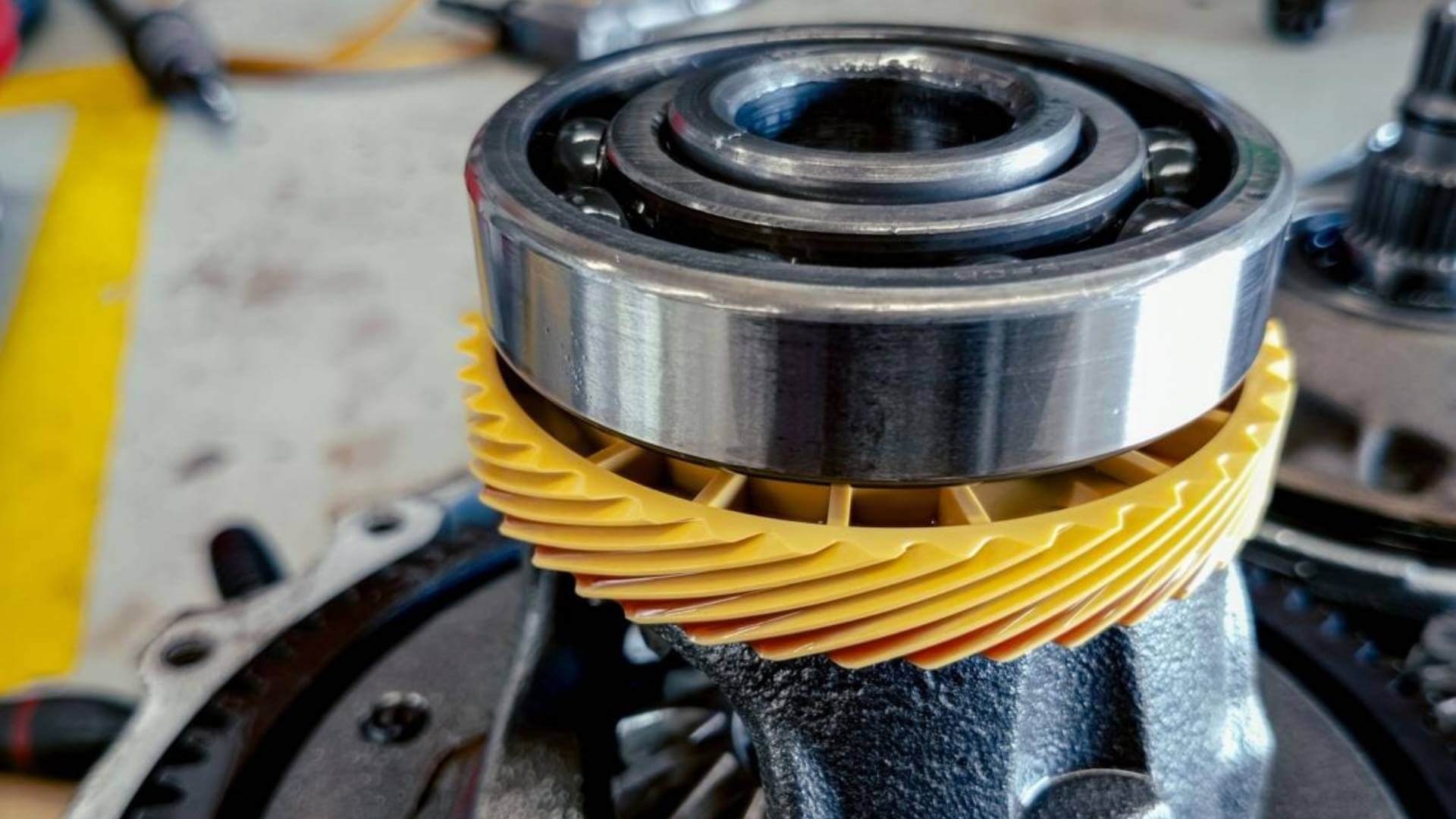
CVT transmission problems Honda Toyota internal components belt pulley system

Why Honda and Toyota CVTs Fail

While Honda and Toyota CVTs are among the more reliable on the market, several common issues lead to premature wear.

Worn or Stretched CVT Belt

The steel belt in a CVT experiences constant tension. Over time, it can stretch, slip, or wear, causing:

  • Shuddering
  • Delayed response
  • Whining noises
  • RPM surges

Once a belt begins to fail, internal damage can worsen quickly.

Fluid Contamination or Breakdown

CVTs rely heavily on fluid for lubrication and pressure. Old, burnt, or incorrect fluid can create immediate performance problems. Michigan’s cold winters thicken old fluid, making symptoms more noticeable.

Overheating During Heavy Use

Long highway drives, stop-and-go traffic, and summer heat can cause thermal stress. When CVTs overheat, internal components wear rapidly, and fluid becomes damaged.

Failing Sensors or Valve Components

Because CVTs rely on electronics for pressure control and ratio adjustments, failing sensors can mimic mechanical issues.

Road Salt and Corrosion (Michigan-Specific)

Road salt accelerates corrosion on transmission lines and connectors. Leaks or electrical issues caused by corrosion can directly affect CVT performance.

Model-Specific CVT Issues in Honda and Toyota Vehicles

Certain models are more commonly associated with CVT concerns.

Honda CVT Concerns

  • Civic
  • Accord (4-cylinder)
  • HR-V
  • CR-V

Honda CVTs are known for juddering caused by worn belt surfaces or degraded fluid.

Toyota CVT Concerns

  • Corolla
  • RAV4
  • C-HR
  • Camry (4-cylinder models with CVT)

Toyota CVTs often exhibit delayed engagement, whining noises, or overheating during heavy use.

How to Diagnose CVT Problems Accurately

A proper CVT diagnostic requires more than a basic code scan. Reliable diagnosis typically includes:

  • Electronic scan for transmission-specific codes
  • CVT fluid inspection
  • Thermal history review (overheating patterns)
  • Low-speed test drive for shudder
  • Acceleration and highway load tests
  • Inspection for external leaks or corrosion

Because CVT symptoms overlap with engine issues, guessing can lead to unnecessary repairs.

Repair Options for Honda and Toyota CVTs

Unlike traditional transmissions, CVTs offer fewer repairable components. When failure occurs, repair options typically include:

CVT Fluid Service

This is often the first step for early-stage symptoms like shuddering or minor hesitation—assuming the fluid is not burnt or contaminated.

Valve Body or Solenoid Repair

Electronic pressure control components sometimes fail and can be replaced separately if internal wear is minimal.

Full CVT Unit Replacement

If the belt, pulleys, or internal bearings are damaged, replacement is usually the recommended solution. Most CVTs are not designed for full internal rebuilds.

What Michigan Drivers Can Do to Prevent CVT Failure

Proper maintenance and driving habits significantly extend CVT lifespan.

Follow Fluid Service Intervals Strictly

CVT fluid must be replaced more frequently than traditional automatic fluid—and only with the manufacturer-approved fluid type.

Avoid Sudden Acceleration in Cold Weather

Letting the vehicle warm briefly prevents pressure spikes and early-stage belt wear.

Limit Towing or Heavy Loads

Most CVTs are not designed for towing. Heavy loads accelerate belt and bearing wear.

Stay Ahead of Corrosion

Michigan road salt can damage cooler lines and connectors. Inspecting them annually helps prevent leaks.

For winter driving safety and maintenance tips, Michigan’s official winter driving guide is a valuable resource:
https://www.michigan.gov/msp/divisions/ohsp/winter-driving

When to Get Your CVT Inspected

Schedule an inspection if you notice:

  • Shuddering or vibration
  • Whining noises
  • Delayed acceleration
  • Warning lights or limp mode
  • Overheating
  • RPM surges

CVT issues rarely self-correct. Early diagnostics prevent major internal damage.

Table of Contents

Additional Resources