Why High-Mileage Transmissions Need Extra Care
Once your vehicle passes 100,000 miles, the transmission begins to experience natural wear that can affect shifting quality, internal pressure, and long-term reliability. Michigan drivers often face even more strain due to cold winters, salt exposure, long commutes, and frequent stop-and-go traffic.
A high-mileage transmission can last many more years—if you follow the right maintenance strategies and address problems early. This guide explains how to prevent transmission failure in high-mileage vehicles, what warning signs to watch for, and how to extend the life of your transmission well beyond the typical mileage expectations.
How Transmission Wear Progresses Over Time
Transmissions experience gradual wear, but that wear accelerates significantly after 90,000–120,000 miles. By this stage, seals harden, clutches thin, and fluid loses effectiveness.
Key Factors That Cause High-Mileage Transmission Failure
- Breakdown of transmission fluid
- Worn internal components
- Hardened seals from age and cold weather
- Corroded cooler lines (especially in Michigan)
- Long-term overheating
- Pressure loss from internal wear
Understanding these causes helps you prevent further degradation.
The Importance of Transmission Fluid in High-Mileage Vehicles
Transmission fluid plays a critical role in cooling, lubrication, and hydraulic pressure. In high-mileage vehicles, fluid condition becomes even more important.
How Old Fluid Affects Transmission Performance
As fluid ages, it becomes:
- Thicker in cold weather
- Less effective at preventing heat
- More contaminated with metal particles
- Less capable of building proper pressure
This leads to symptoms such as slipping, harsh shifting, or delayed engagement.
When High-Mileage Vehicles Need Fluid Service
A transmission fluid change, not a flush, is typically recommended for older vehicles if:
- The fluid is dark but not burnt
- The vehicle has gone long intervals without service
- The transmission still shifts reliably
A gentle fluid change helps restore performance without upsetting internal balance.
For more information on fluid types and vehicle maintenance best practices, the U.S. Department of Energy provides helpful resources:
https://www.energy.gov/eere/vehicles/vehicle-technologies-office
Early Warning Signs That a High-Mileage Transmission Needs Attention
Catching problems early is the single best way to avoid a rebuild or replacement.
Delayed Shifting or Hesitation
When the transmission hesitates before changing gears, it often means pressure is dropping due to worn internal seals or degraded fluid.
Slipping During Acceleration
If the engine revs but the vehicle doesn’t accelerate as it should, internal clutches may be worn or fluid pressure may be insufficient.
Harsh or Jerky Shifts
A strong jolt during shifting is a sign of poor pressure regulation, cold fluid issues, or internal component wear.
Shuddering at Low Speeds
A vibration or shaking sensation is often linked to torque converter or pressure-related problems.
Transmission Fluid Leaks
Leaking cooler lines, seals, or gaskets can quickly lower fluid levels and accelerate internal wear.
If any of these symptoms appear, a professional inspection is recommended.
How Michigan Weather Accelerates Transmission Wear
High-mileage transmissions are more sensitive to temperature swings. Michigan’s winter and summer extremes can speed up internal wear.
Cold Weather Effects
- Thickens old fluid
- Hardens aging seals
- Increases shifting harshness
- Causes delayed engagement
This leads to symptoms such as slipping, harsh shifting, or delayed engagement.
Hot Weather and Heavy Use Effects
- Overheating during long commutes
- Increased torque converter strain
- Faster breakdown of aging fluid
Because of these extremes, Michigan drivers should pay closer attention to yearly maintenance.
Maintenance Tips to Extend the Life of a High-Mileage Transmission
The right habits can significantly extend the life of your transmission—sometimes by tens of thousands of miles.
Keep Up With Regular Fluid Changes
Clean fluid reduces friction, cools internal parts, and helps maintain proper pressure. For high-mileage vehicles, checking fluid condition annually is ideal.
Inspect Cooler Lines and Undercarriage for Corrosion
Road salt is notorious for corroding steel lines. Cooler line leaks are one of the most preventable causes of transmission failure in Michigan.
Allow a Short Warm-Up Period in Winter
Giving your vehicle 1–3 minutes to warm up helps thin out the fluid and reduce stress on the internal components.
Avoid Aggressive Driving and Rapid Acceleration
Smooth acceleration reduces pressure spikes and keeps internal components from wearing prematurely.
Limit Heavy Loads and Towing With Older Vehicles
When High-Mileage Transmissions Need Professional Service
Some issues require professional attention—especially when multiple symptoms appear at once.
Seek professional diagnostics if you notice:
- Slipping
- Repeated harsh shifts
- Shuddering
- Leaks
- Burnt-smelling fluid
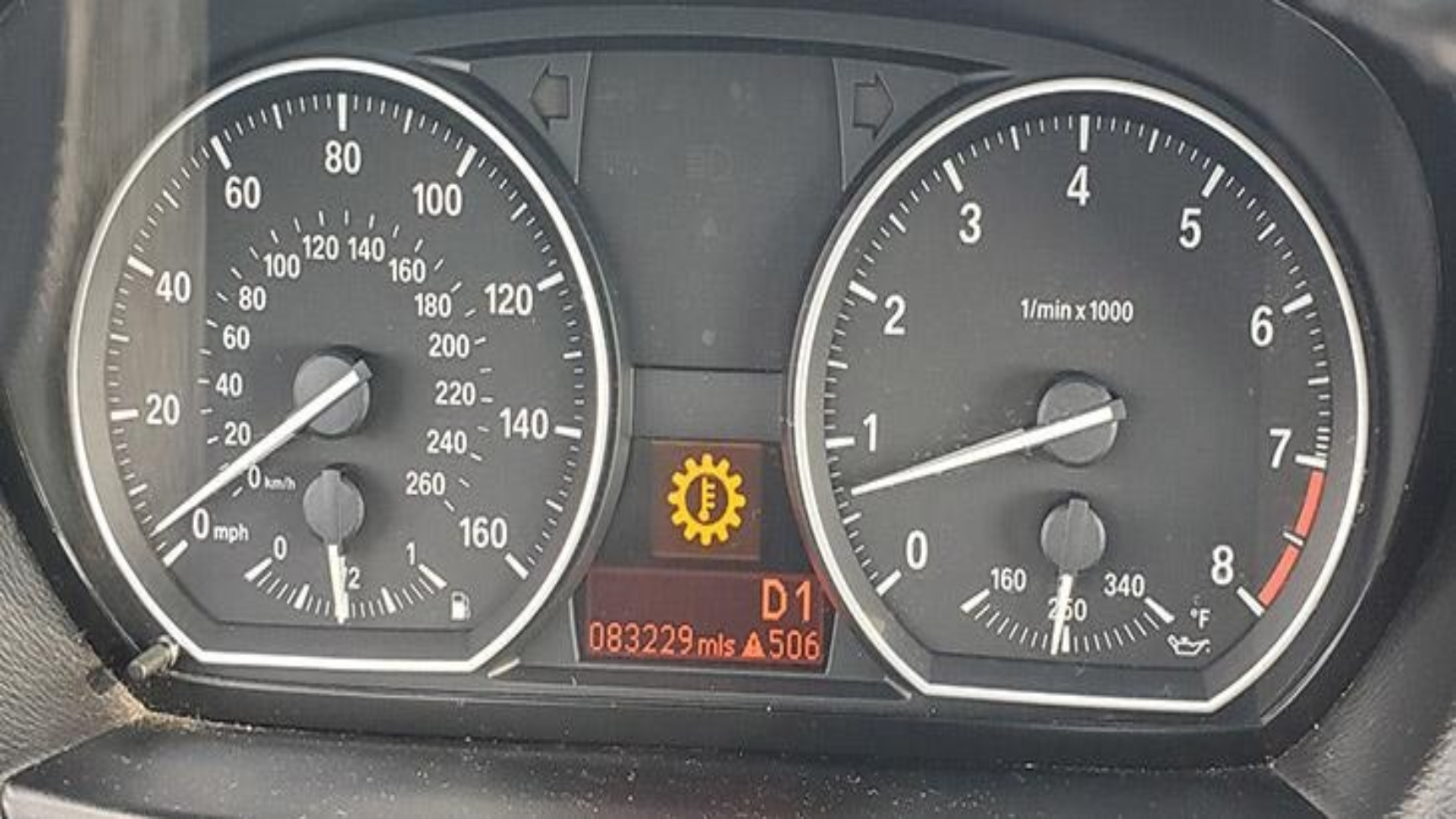
- Warning lights
- Delayed engagement
These signs indicate internal wear or fluid breakdown that needs immediate attention to avoid full transmission failure.
The Federal Trade Commission provides helpful information on how to handle auto repair situations and protect yourself from avoidable costs:
https://www.ftc.gov/business-guidance/resources/auto-repair-basics-smart-shopping-strategy
How Long a High-Mileage Transmission Can Last With Good Care
Many high-mileage vehicles in Michigan continue to run reliably well past 150,000 or even 200,000 miles when maintained properly. Longevity depends on:
- Consistent fluid maintenance
- Early detection of problems
- Driving habits
- Weather exposure
- Towing or load frequency
A well-maintained transmission is significantly less likely to fail early—and more likely to provide reliable service for years to come.