
Why a Transmission Leak Should Never Be Ignored
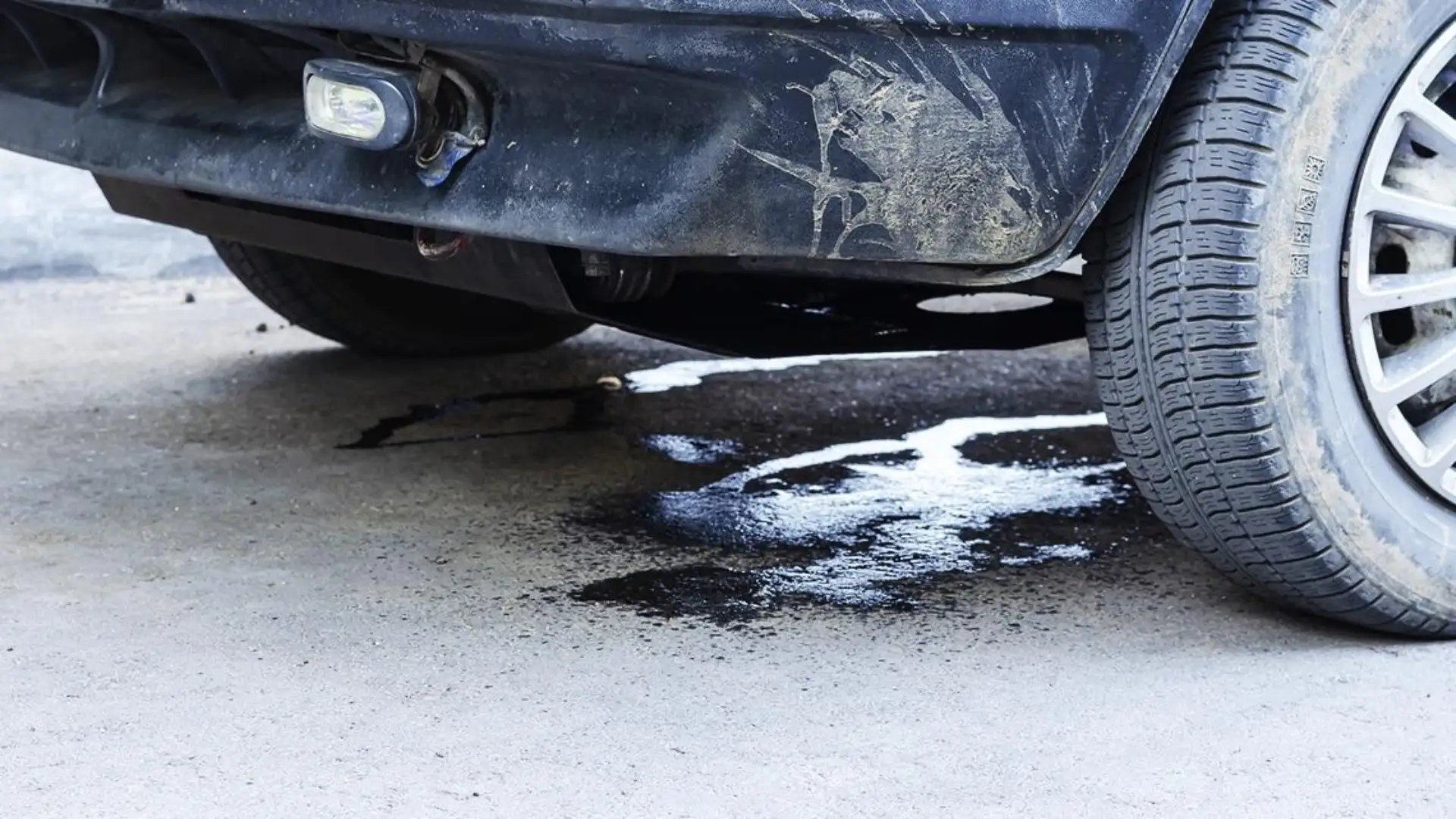
If you notice a reddish or brownish puddle under your vehicle, it’s often a sign of a transmission fluid leak—and this is one issue you should never ignore. Transmission fluid doesn’t evaporate or slowly disappear the way engine oil can. If it’s low, it’s almost always because of a leak.
In Michigan, road salt, freezing temperatures, and rough winter driving can accelerate wear on seals, cooler lines, and gaskets. A small leak today can turn into major internal damage tomorrow, especially if the transmission overheats or loses pressure. The sooner you identify the source of the leak, the easier (and less expensive) the repair usually is.
How to Tell if the Fluid Under Your Car Is Transmission Fluid
Different fluids leak from different areas, so confirming the source helps narrow down the issue.
Transmission Fluid Color and Smell
Transmission fluid typically appears:
- Bright red when new
- Dark red or brown when aged
- Burnt-smelling if the transmission is overheating
If the fluid is very dark, thick, or smells burnt, you should have the vehicle inspected immediately—this often indicates internal wear.
Where the Leak Appears Under the Vehicle
Transmission leaks are usually located:
- Near the middle of the vehicle
- Slightly behind the engine
- Near cooler lines along the frame
- Below the transmission pan area
It’s common for leaks to spread or drip along other components, so a professional inspection is the most reliable way to identify the exact source.
For general guidance on leak identification and vehicle safety, the National Highway Traffic Safety Administration provides helpful information
Most Common Causes of a Transmission Leak
Transmission leaks can originate from several parts of the system. Identifying the source quickly helps prevent major damage.
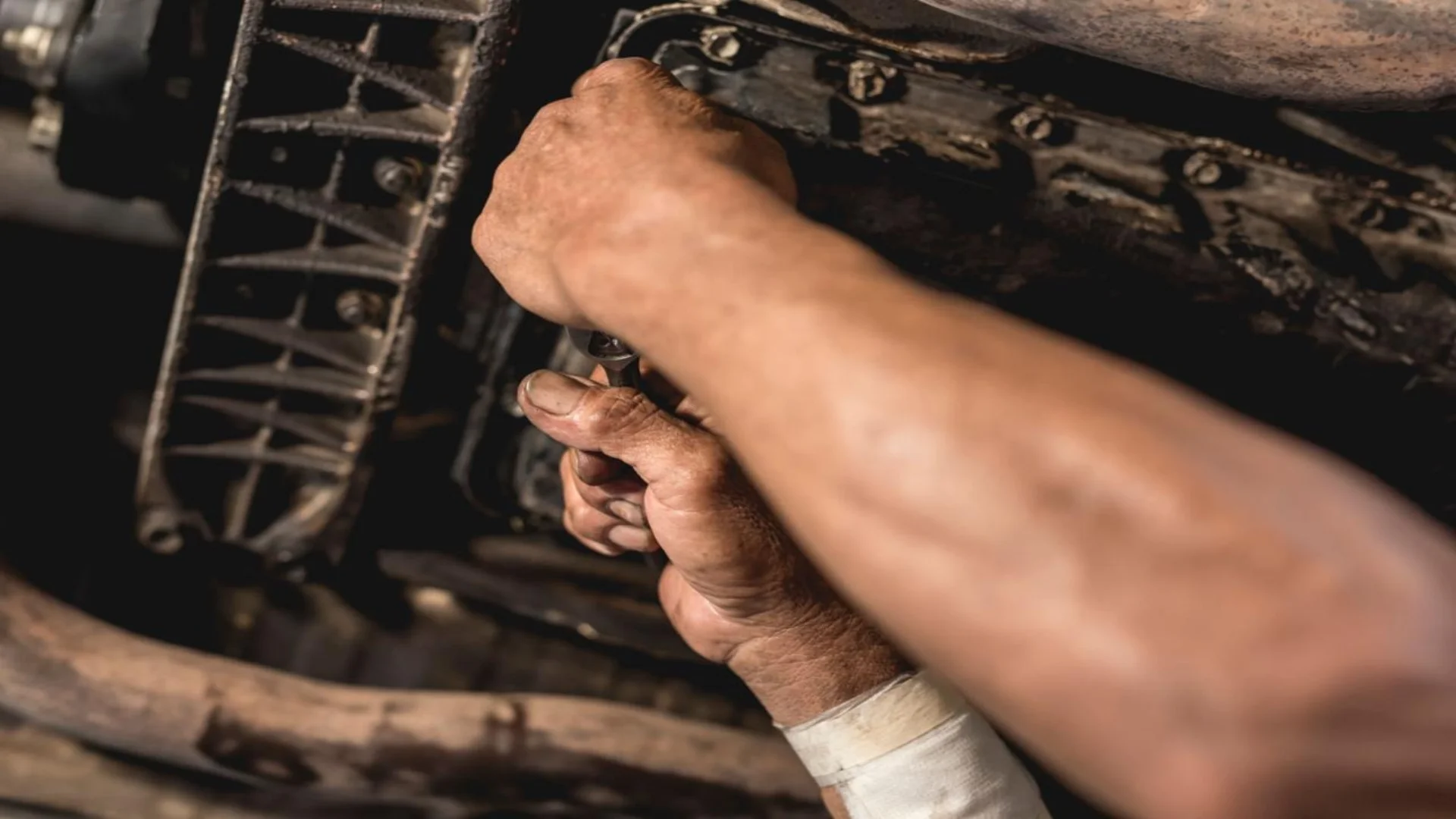
Worn or Damaged Transmission Pan Gasket
The pan gasket seals the transmission pan to the housing. Over time, gaskets wear, crack, or become brittle—especially in vehicles exposed to heavy winter driving. This is one of the most common causes of fluid leaks.
Corroded or Rusted Transmission Cooler Lines
Michigan road salt is a leading cause of cooler line corrosion. These lines carry transmission fluid to the radiator or external cooler. When they rust through, leaks can form suddenly and worsen quickly.
Axle Seals or Output Shaft Seals
These seals maintain fluid inside the transmission where moving shafts exit the housing. Wear, cold-weather shrinkage, and repeated stress can cause them to leak over time.
Loose or Damaged Drain Plug or Pan Bolts
Improper installation or impact with road debris can cause drain plugs or bolts to loosen. Even a minor gap can allow fluid to escape.
Worn Valve Body or Case Seals
Internal seals can fail as a transmission ages. While these leaks may not always appear externally, they can lead to internal pressure loss and shifting problems.
Leaking Transmission Cooler or Radiator
Some vehicles route transmission fluid through the radiator. A failing cooler can cause internal or external leaks and may allow coolant to mix with transmission fluid—a serious issue that requires immediate attention.
Why Transmission Leaks Are More Serious Than They Appear
Transmission leaks are often silent but dangerous. Even small leaks can lead to:
- Low fluid levels
- Loss of hydraulic pressure
- Overheating
- Slipping or harsh shifting
- Torque converter damage
- Full transmission failure
Unlike engine oil, most transmissions are sealed systems and will not tolerate running even slightly low on fluid.
Warning Signs Your Transmission Is Low on Fluid
If you’ve spotted fluid under your car, pay attention to these symptoms:
Delayed or Slow Gear Engagement
A delay when shifting into Drive or Reverse is one of the earliest signs of low fluid pressure.
Slipping While Accelerating
Slipping gears occur when the transmission can’t build enough hydraulic force to apply internal components properly.
Unusual Noises During Shifting
Whining, buzzing, or grinding noises may indicate fluid starvation or internal friction.
Shuddering or Jerking Movements
Low fluid affects torque converter operation, often causing shudder during acceleration.
Any of these symptoms combined with a visible leak means you should have the transmission evaluated as soon as possible.
Can You Drive With a Transmission Leak?
The short answer: It’s risky.
Small leaks might seem manageable at first, but fluid levels can drop faster than expected, especially when driving long distances or in hot weather. A transmission running low on fluid can overheat within minutes, leading to internal damage.
Situations Where Driving Is Unsafe:
- You see a large fresh puddle
- The vehicle is slipping or struggling to shift
- The fluid smells burnt
- Warning lights appear
If you’re unsure, it’s safer to park the vehicle until inspected.
How Transmission Fluid Leaks Are Repaired
The right repair depends on the cause and location of the leak.
Replacing Worn Seals or Gaskets
If the leak is coming from the pan gasket, axle seals, or output seals, replacing these components typically resolves the issue.
Repairing or Replacing Cooler Lines
Rust or corrosion on cooler lines is common in Michigan. Lines can be repaired or replaced depending on severity.
Repairing or Replacing the Transmission Cooler
If the cooler inside the radiator fails, replacing the radiator or external cooler is necessary to prevent fluid mixing.
Fixing Loose Bolts or Drain Plugs
Sometimes, leaks come from improper installation or loose hardware. Tightening bolts or replacing a damaged drain plug can quickly solve the issue.
How Michigan Drivers Can Prevent Transmission Leaks
Poor road conditions and winter weather make prevention especially important.
Inspect Under the Vehicle Regularly
Look for early signs of rust on cooler lines or damp areas around the transmission pan.
Keep Up With Fluid Maintenance
Fresh fluid helps identify leaks sooner and reduces internal wear that can cause seal damage.
Rinse the Undercarriage During Winter
Removing road salt helps prevent corrosion on cooler lines, brackets, and fittings.
Monitor for Changing Shifting Behavior
Any new jerking, slipping, or hesitation may indicate pressure loss caused by a leak.
For additional winter driving safety tips, Michigan’s official driving guidance is helpful:
When to Get Professional Help
If you notice a leak under your car—especially if it’s reddish or brownish—schedule an inspection promptly. Transmission leaks rarely remain small and can escalate quickly, leading to expensive internal damage.
Early diagnosis saves money, improves safety, and keeps your vehicle performing reliably.