




Why Your Car Jerks When Shifting (Transmission vs Engine Issues)

car jerks when shifting

Insights:

Learn why your car jerks when shifting, the most common transmission-related causes, engine issues that mimic transmission problems, and what Michigan drivers should check first.

Overview:

Why Your Car Jerks When Shifting (Transmission vs Engine Issues)

Read Time:

Date:

Why Your Car Jerks When Shifting Matters More Than You Think

Few vehicle symptoms are as unsettling as a sudden jolt when your car shifts gears. Whether it feels like a quick tug, a sharp bump, or a hesitation followed by a surge, this type of car jerking when shifting is more than just uncomfortable—it’s usually an early warning sign of a developing mechanical issue.

For Michigan drivers, cold weather, stop-and-go traffic, and worn fluid can intensify jerky shifting. Catching the cause early can prevent major repairs and improve safety on winter roads.

This guide breaks down the most common jerky shifting causes, how to tell whether the issue is transmission-related or engine-related, and what steps to take next.

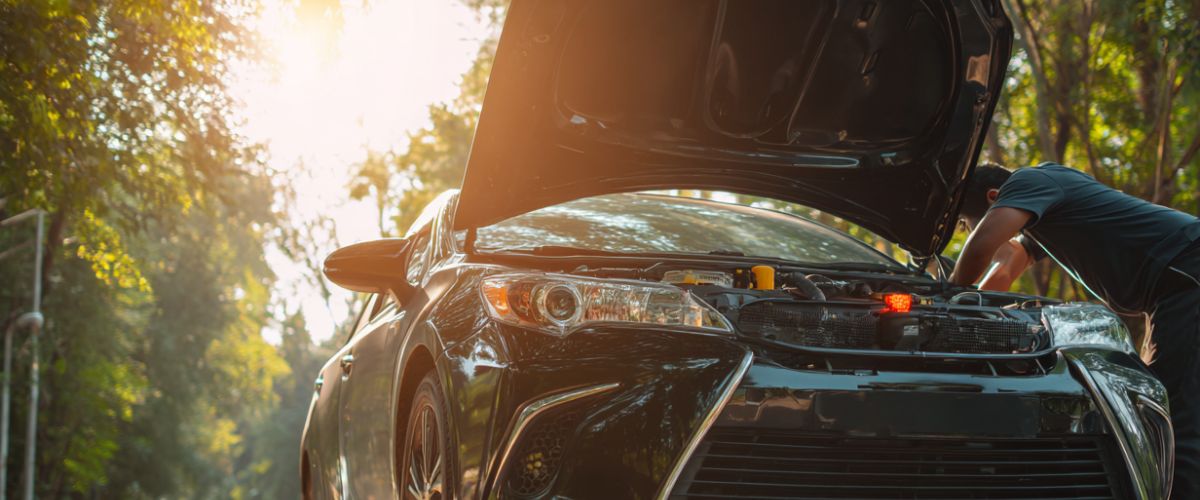
car jerks when shifting. Driver inspecting vehicle under the hood after experiencing Signs of Transmission Failure.

How Automatic Transmissions Are Supposed to Shift

A properly functioning automatic transmission changes gears smoothly with minimal sensation. Modern vehicles rely on carefully timed hydraulic pressure, electronic controls, and clean transmission fluid to deliver seamless shifting.

When something disrupts this balance—whether pressure drops, components wear, or sensors malfunction—the shift can feel rough, delayed, or jerky. Understanding what’s normal helps you recognize when something is wrong.

Transmission-Related Causes of Jerking While Shifting

Jerking is often linked to emerging transmission issues. These problems typically worsen over time, so identifying them early is essential.

Low, Degraded, or Incorrect Transmission Fluid

Transmission fluid is the lifeblood of your automatic transmission. If fluid is low, burnt, or contaminated, the system can’t build the pressure needed for smooth shifts. This often results in:

  • Hesitation before shifting

  • Harsh or abrupt gear changes

  • Jerking during acceleration

Cold Michigan winters thicken old fluid even more, amplifying these symptoms. Checking fluid condition—if your vehicle allows it—is one of the first steps in diagnosing shifting issues.

For general information on vehicle fluids and maintenance recommendations, the U.S. Department of Energy provides helpful guidance.

Failing Shift Solenoids or Pressure Control Components

Shift solenoids regulate fluid flow during gear changes. When they fail or stick, shifts can become harsh or unpredictable. Drivers may feel:

  • A sudden jolt when changing gears


  • Repeated jerking at specific speeds


  • Delayed upshifts


These issues often trigger warning lights or diagnostic codes as well.

Worn Internal Transmission Components

As transmissions age, clutch packs, bands, and other hydraulic components wear. This wear can lead to inconsistent pressure, causing the transmission to jerk, slip, or hesitate.

You might notice the jerking becomes more frequent over time, especially under acceleration or when the transmission is cold.

Torque Converter Problems

The torque converter helps transfer engine power smoothly to the transmission. When it begins to malfunction—often referred to as “converter shudder”—drivers may feel:

  • Vibrations or shaking during low-speed acceleration

  • Jerking when the converter locks or unlocks

  • Irregular shifting behavior

Since many Michigan drivers tow or carry heavy loads, torque converter wear is a common local issue.

Engine and Drivetrain Issues That Mimic Transmission Problems

Not all jerking is caused by the transmission. Engine problems and driveline issues can feel nearly identical from behind the wheel.

car jerks when shifting. Driver in snowy Michigan winter listening for unusual noises, showing early Signs of Transmission Failure.

Engine Misfires or Ignition Problems

A misfire interrupts power delivery, causing a sudden jerk that drivers often mistake for transmission trouble. Misfires may occur due to:

  • Worn spark plugs

  • Failing ignition coils

  • Dirty injectors

  • Vacuum leaks

If jerking happens at all speeds—not only during shifts—engine issues may be to blame.

Fuel Delivery Problems

Fuel pump failures, clogged filters, or injector issues can cause the vehicle to stutter or jerk when accelerating. These symptoms can overlap with transmission jerk sensations but usually occur more randomly.

Failing Engine or Transmission Mounts

When mounts wear out, the engine or transmission can shift excessively under load, creating a jerk or clunk sensation. This is especially noticeable during:

  • Acceleration

  • Deceleration

  • Gear engagement

Because Michigan roads can be rough in winter months, mounts take more abuse locally than in mild-weather regions.

How to Tell Whether the Jerking Is Transmission or Engine Related

While a professional diagnostic is the most accurate approach, these clues can help narrow it down:

  • Jerking only when shifting: Likely transmission-related

  • Jerking during steady acceleration: Possibly torque converter or engine misfire

  • Jerking + warning lights: Could be transmission or engine; scan needed

  • Jerking when cold but improves warm: Often fluid-related

  • Jerking with vibrations at low speed: Potential torque converter shudder

Understanding these patterns can help you communicate more clearly with a repair specialist.

Why Timely Diagnosis Is Important for Michigan Drivers

Because of Michigan’s climate, minor jerking issues can escalate faster than in warmer states. Cold fluid thickens, seals contract, and internal components face extra stress. Delaying diagnosis can lead to:

  • Premature internal wear

  • Overheating

  • Slipping

  • Increased repair costs

Early inspection is always the most cost-effective approach.

What Michigan Drivers Should Do If Their Car Jerks When Shifting

If your vehicle begins jerking during gear changes, here are the most important next steps.

Get a Professional Diagnostic Scan

Even if the dashboard shows no warning lights, stored codes can reveal issues with sensors, pressure levels, or solenoids. A scan is an inexpensive way to prevent a larger repair.

Check Fluid Condition (If Your Vehicle Allows It)

Look for signs of:

  • Low level

  • Burnt smell

  • Dark or dirty fluid

If your vehicle doesn’t have a dipstick, a shop can perform this check for you.

Avoid Harsh Acceleration Until the Issue Is Identified

Hard acceleration increases transmission pressure and can turn a simple issue into a major one.

Monitor When the Jerking Occurs

Noting whether the issue happens during cold starts, specific speeds, or specific gear changes can help technicians pinpoint the problem faster.

How to Prevent Jerking and Extend Transmission Life

Michigan drivers can reduce shifting problems by following simple maintenance habits:

  • Service transmission fluid at recommended intervals

  • Allow the vehicle to warm slightly in extreme cold

  • Avoid aggressive driving on snowy or icy roads

  • Address small issues early before they cascade

  • Ensure cooling systems function properly

Good maintenance drastically lowers the risk of jerking, slipping, or harsh shifting—especially in winter.

Table of Contents

Additional Resources

Faqs Why Your Car Jerks When Shifting: Key Signs of Transmission Failure

Car jerking during gear changes is often linked to transmission-related issues such as low or degraded fluid, failing solenoids, worn internal components, or torque converter problems. However, engine misfires, fuel delivery issues, or worn mounts can also mimic these symptoms.

Jerking that occurs specifically during shifts is usually transmission-related. Jerking at steady speeds or during acceleration may indicate an engine misfire or torque converter issue. Warning lights, vibration patterns, and when the symptoms occur can help determine the source.

Yes. Cold temperatures thicken old transmission fluid, reduce hydraulic pressure, and strain internal components. This can make shifting feel more abrupt or jerky, especially before the vehicle warms up. Michigan drivers often notice symptoms earlier in winter due to these conditions.

Start with a professional diagnostic scan, check transmission fluid condition (if your vehicle has a dipstick), and avoid hard acceleration until the issue is identified. Jerking rarely fixes itself—addressing it early can prevent internal damage and significantly lower repair costs.